Mechanical Seals
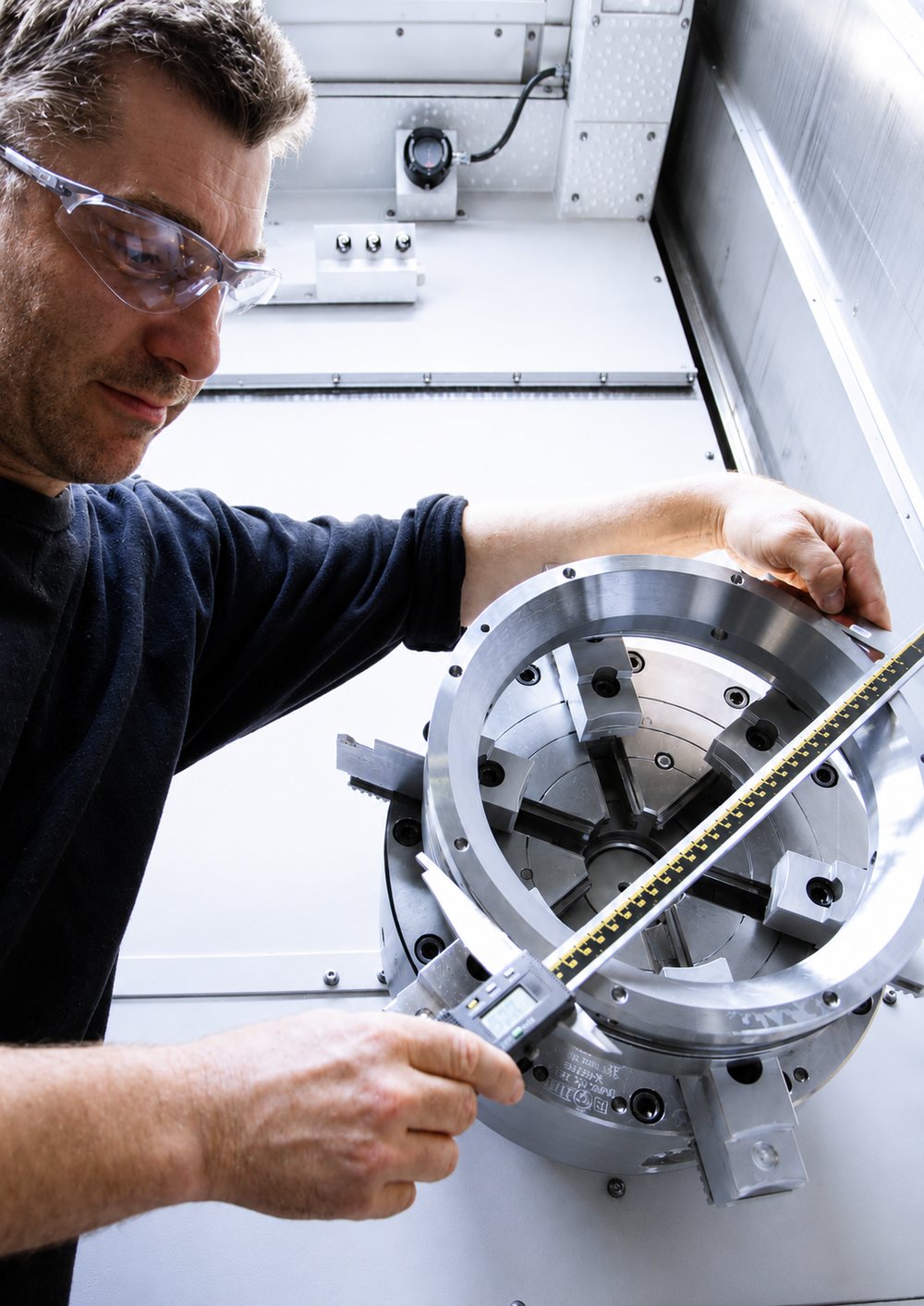
A mechanical seal contains the fluid inside a pump or rotating machine at the point where the shaft passes through the housing, replacing traditional gland packing with a pair of precisely lapped faces. As an authorized EagleBurgmann agent, ATAS supplies seals that deliver safe, reliable sealing across a very wide range of applications.
The seal works through two flat faces — one rotating with the shaft, one stationary in the housing — held together by springs and system pressure. A microscopic fluid film between the faces provides lubrication and cooling while preventing the process medium from leaking to atmosphere. This design dramatically reduces leakage, product loss and maintenance compared with packed glands, which makes it the standard sealing method for pumps, agitators, compressors, blowers, turbines and valves across the process industries.
These seals are engineered to withstand a broad spectrum of media, different aggregate states and varying pressure and temperature — from small installations up to seal contact areas of several metres. Typical duties include oil pumping and cracking, gas compression, process-gas containment, phase separation, chemical synthesis, pipeline sealing, hygienic filling of dairy and food products, and compensation of temperature expansion in flue-gas systems. Every application has its own requirements profile, and ATAS works with you to select the right face materials, elastomers and arrangement (single, double or tandem) for your fluid, temperature, pressure and speed — with installation and commissioning support through our service center team.
The full sealing portfolio
Through EagleBurgmann — one of the world's leading manufacturers of industrial sealing solutions — ATAS can supply everything from standard seals to one-off, application-specific designs, backed by advanced quality management, in-house test facilities and deep engineering expertise:
- Mechanical seals, magnetic couplings and seal supply systems
- Carbon floating-ring seals, compression packings and gaskets
- Expansion joints, special products and TotalSealCare services
Where they're used
Serving the oil & gas, refinery, chemical, energy, food processing, paper, water, marine, aerospace and mining industries.
Dry Gas Seals
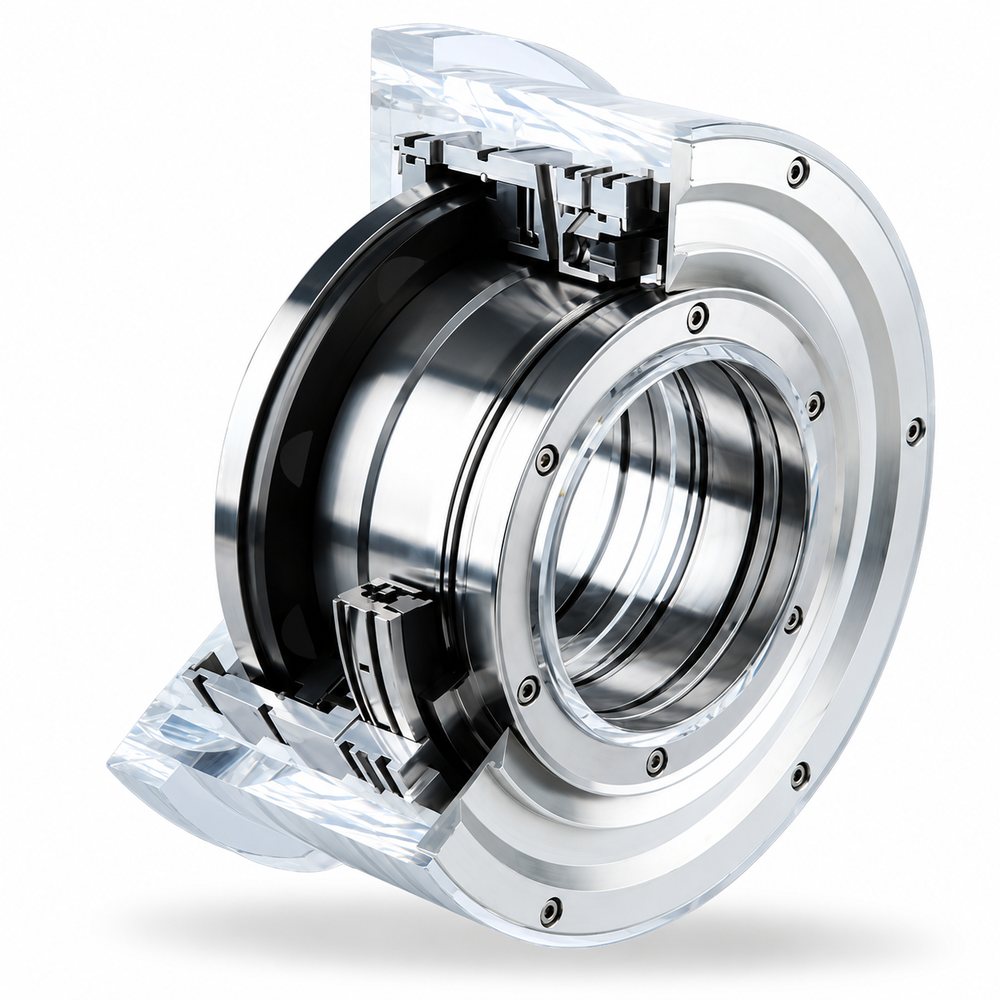
A dry gas seal is a gas-lubricated, non-contacting seal used mainly on centrifugal and axial compressors, where the sealing faces run on a thin film of gas rather than liquid. ATAS supplies these as ready-to-fit cartridge units in single, double, tandem and tandem-with-intermediate-labyrinth arrangements, in either uni-directional or bi-directional designs.
One seal face carries self-cleaning 3D gas grooves. As the shaft turns, these grooves generate hydrodynamic lift that opens a gap of just a few microns between the faces, giving high gas-film stiffness. The faces never touch in operation, so running is wear-free and contact-free, with very little frictional heat — allowing long service life at high speed and pressure. Because the seal is fed with clean, dry gas, it also limits process-gas escape to atmosphere, supporting emission targets and safer operation. Separation seals (labyrinth, carbon-ring or CobaSeal types) are available as options, and torque is transmitted to the seat by friction alone, avoiding holes that would weaken the material.
Operating range
Features & advantages
- Wear-free, contact-free running with self-cleaning 3D gas grooves
- High gas-film stiffness and a secure cupped retainer for the seat
- Ready-to-fit cartridge unit — single, double, tandem or tandem with intermediate labyrinth
- Material options for optimized chemical resistance, including DiamondFace technology
Materials
Seal faces in silicon carbide with DLC coating or carbon graphite; seats in DLC-coated silicon carbide; FKM secondary seals; metal parts in 1.4006 or other stainless steels. Alternative materials are available on request, as is EagleBurgmann DiamondFace technology.
Standards & applications
Compliant with NACE, API 617 and API 692, and TA-Luft conform for double and tandem seals. Typical applications include oil & gas, refining, petrochemical, LNG, CCUS, hydrogen and sustainable plastics production. Dimensions and variant selection are provided on request to match your machine and process conditions.
Seal Management System (SMS)
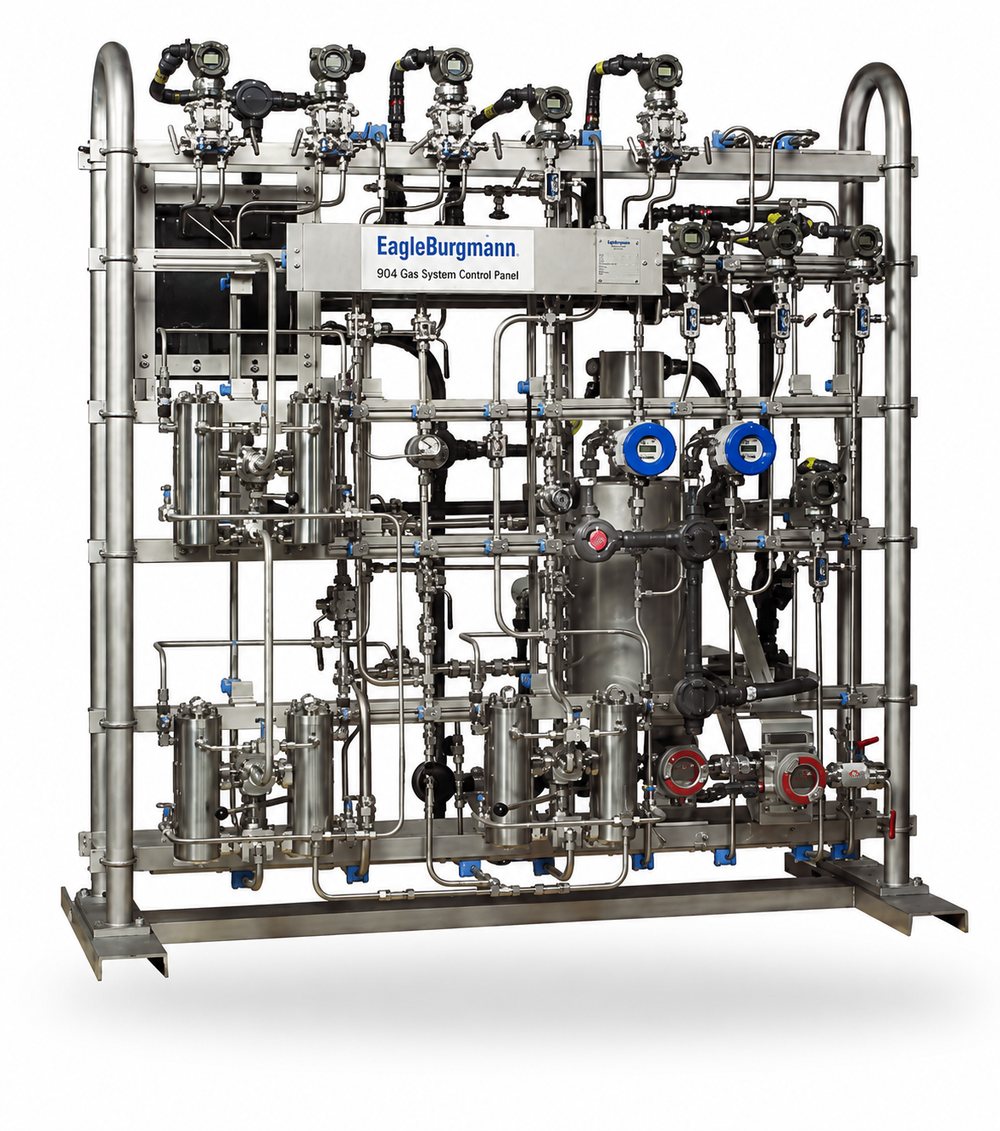
A Seal Management System (SMS) continuously supplies and monitors gas-lubricated mechanical seals. It is built as a customizable, module-based system that conditions the gas around the seal so it runs cleanly and safely, with the seal environment kept at the right pressure, temperature and cleanliness for long, reliable life.
The system supplies the seal with filtered, dry buffer gas, seal gas and separation gas, and keeps the condition of the filters, control valves, instrumentation and the nitrogen and process-gas sources under continuous check. It monitors constantly for leakage and correct seal function, and can be adapted individually to suit operating conditions and safety requirements — meeting current industrial standards such as API as well as specific operator requirements. Function is organized around gas modules: a flushing-gas module that supplies filtered, dry gas to the primary seal-gas or buffer-gas line while regulating and monitoring flow, pressure and the gas filter (with process gas injected as a buffer ahead of dual seals and the seal itself fed with nitrogen), and a barrier-gas module that supplies filtered barrier gas (N₂) to the secondary seal-gas line.
ATAS supplies the SMS with an optional gas-conditioning skid whose components are adapted to the application — for example booster, cooler, heater, separator, coalescence filter and demister — and can support installation, hook-up and commissioning through the service center team. Other equipment and details are available on request.
Key points
- Reliable supply of filtered, dry buffer, seal and separation gas
- Constant checking of filters, valves, instrumentation and gas sources
- Individually adaptable; API and TA-Luft (German Clean Air Act) compliant
- Optional conditioning skid — booster, cooler, heater, separator, coalescence filter, demister
Recommended applications: oil & gas, refining, petrochemical and chemical industries.
Expansion Joints
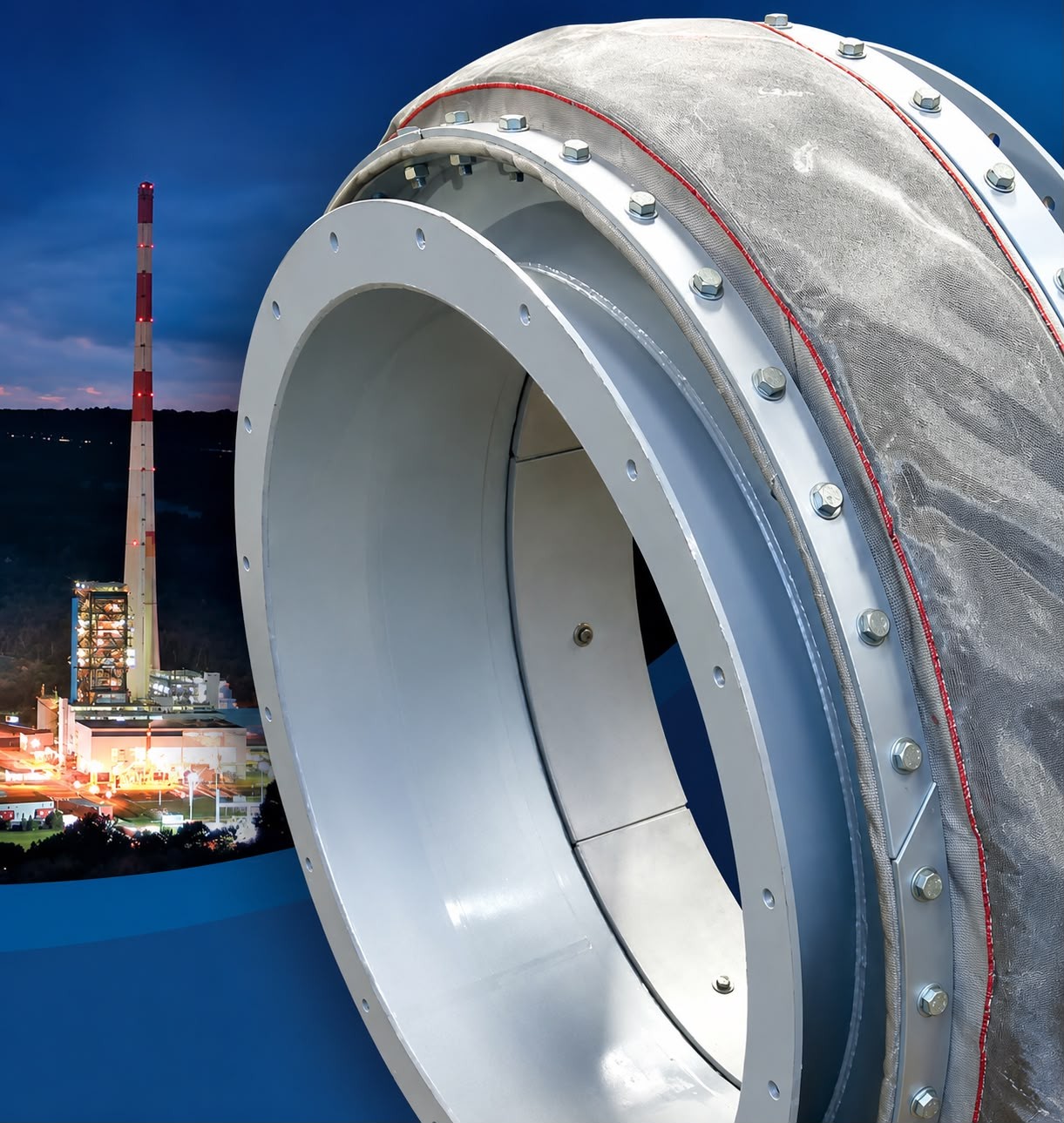
Metal, fabric and rubber expansion joints are flexible connections fitted into piping and ducting systems to absorb the expansion and vibration caused by changes in temperature, pressure and the media being carried.
The expansion joints ATAS supplies come from a manufacturer with more than 45 years in the industry — among the most experienced and innovative in the field — drawing on projects across every continent and market sector to bring proven, up-to-date technology and solutions to Iraqi operators. The design philosophy centres on value engineering that reduces operational downtime, lean manufacturing that keeps costs down, and 3D smart design that maximizes overall service life.
As pipework heats and cools it grows and shrinks, and rotating equipment feeds vibration into connected lines; expansion joints take up this movement in a controlled way, protecting pumps, compressors, flanges and supports from fatigue and leaks. Metal bellows joints suit high temperature and pressure, fabric joints handle hot-gas and exhaust ducting, and rubber joints serve pumps and water systems where vibration and noise isolation matter.
Full lifecycle service
- Evaluation, troubleshooting and plant surveys
- Dimensional measurement, installation and refurbishment
- On-site supervision and training
- Emergency service and final inspection by experienced service engineers
RoTechBooster
The RoTechBooster is a sealed, magnetically-coupled booster unit built around a leak-tight rotating assembly. ATAS supplies it as an authorized EagleBurgmann agent and coordinates the certified maintenance it needs to run safely and reliably over the long term.
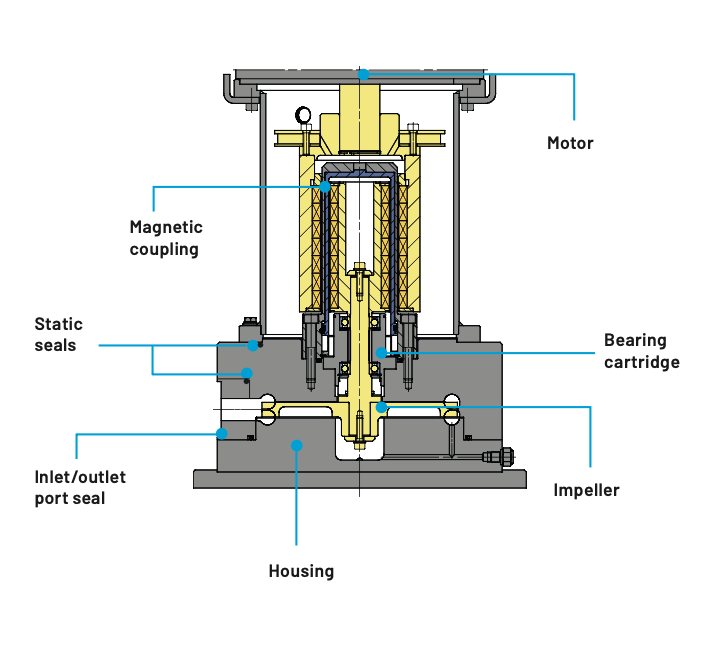
The unit is built from a motor driving a magnetic coupling, a bearing cartridge, an impeller and housing, with static seals at the inlet/outlet ports. The magnetic coupling transmits torque without a physical shaft penetration, keeping the process gas fully contained.
Scheduled maintenance keeps it safe
To preserve long-term reliability and operational safety, the RoTechBooster requires maintenance every 24,000 operating hours or every five calendar years, whichever comes first. Servicing it correctly matters: a unit that is not maintained to the instructions in the operating manual can be damaged and can damage connected systems, potentially generating high temperatures or releasing process gas to atmosphere — in the worst case leading to fire or explosion. ATAS's experienced service engineers carry out this work meticulously and answer any questions on the way.
Scope of maintenance
- Disassembly, cleaning and visual inspection of motor, coupling and components
- Replacement of the bearing cartridge and static seals
- Electric-motor maintenance by a certified motor service centre
- Inspection of magnetic coupling, impeller and housing
- Gas pressure test, functional test and a full service report
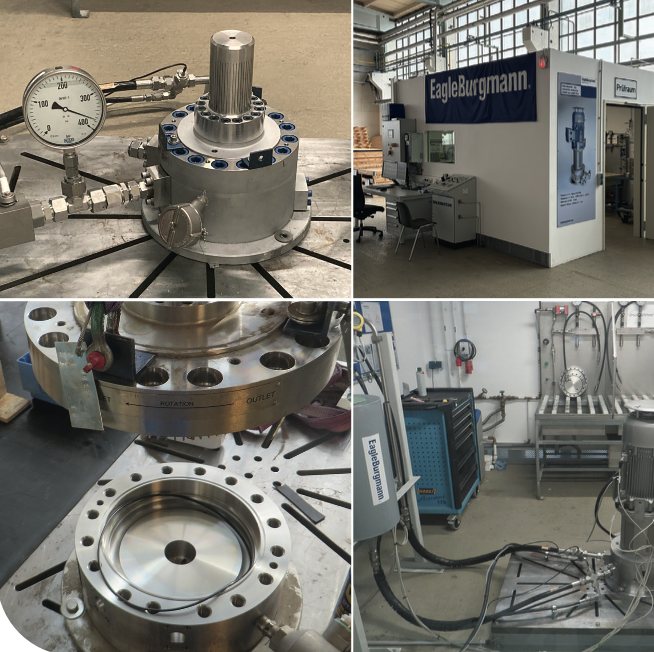
How servicing works
To arrange maintenance, contact ATAS as your local representative; we then coordinate with the global RoTechBooster service-centre network. Repairs are best organized around three months before planned downtime so that scheduling and spare-part availability are secured. The unit is then sent to the service centre, where the recommended maintenance is carried out — typically taking about three weeks. For all maintenance matters ATAS liaises with the EagleBurgmann service centres in Canada and Germany on your behalf.
Compression Packings
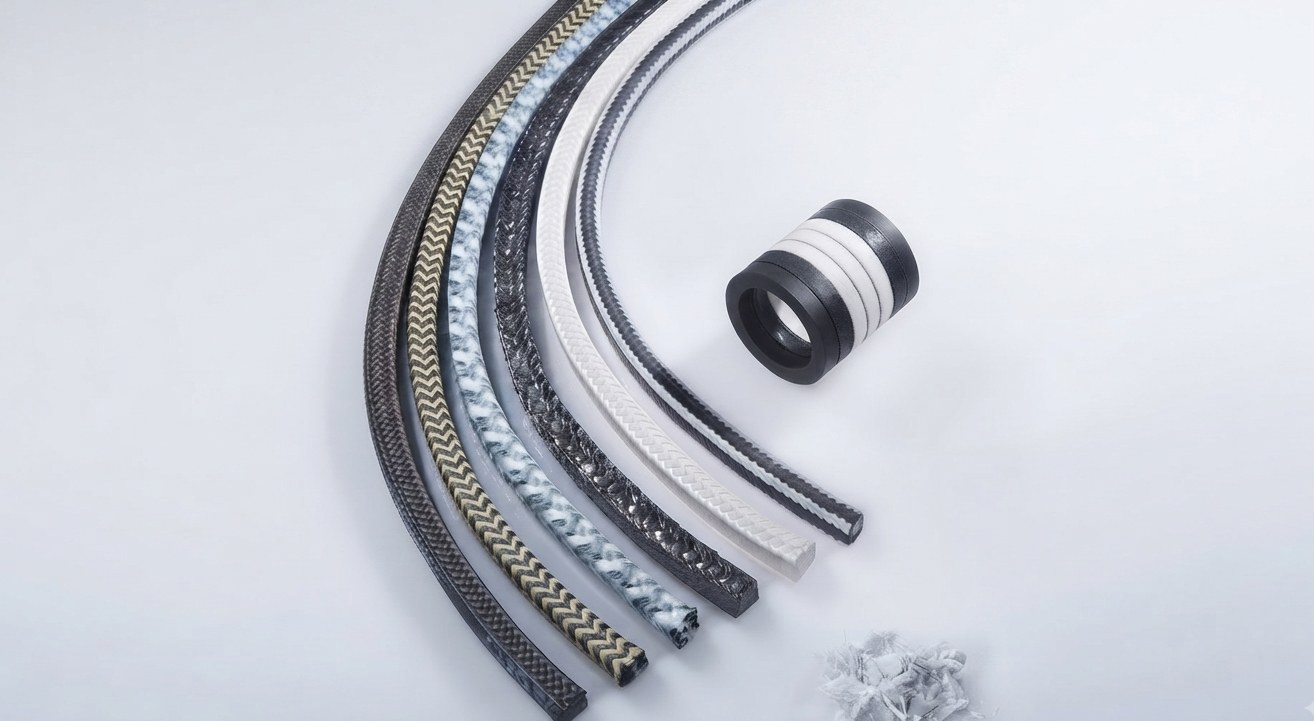
Compression packings are sealing materials used to prevent leakage around rotating shafts and valve stems in industrial equipment such as pumps and valves. They are available in different materials and designs to suit various operating conditions.
The packing is supplied as a braided cord or as pre-formed rings that are fitted into the stuffing box and compressed by the gland follower. That compression forces the packing outwards against the shaft or stem and the box wall, forming a seal that can be adjusted in service. Because a packed gland can be re-tightened and repacked without removing the equipment from the line, it remains a practical and economical sealing option for many pump, valve and agitator duties across refineries, water services and general industry.
Material selection is what makes the difference in the field. Braids in PTFE, expanded graphite, aramid, carbon fibre and synthetic fibre — plain or impregnated, and often combined with end rings — are matched to the medium, temperature, pressure and shaft speed of the application. ATAS supplies compression packings and packing rings as an authorized EagleBurgmann agent, and our engineers help you specify the correct cross-section, ring count and material combination, with installation guidance from our service center team in Basra.
Typical applications
- Centrifugal and reciprocating pumps in refinery and water service
- Valve stems and gland assemblies on process and steam lines
- Agitators, mixers and rotating equipment with packed glands
- Repacking and gland maintenance during scheduled shutdowns
Vinco Valves
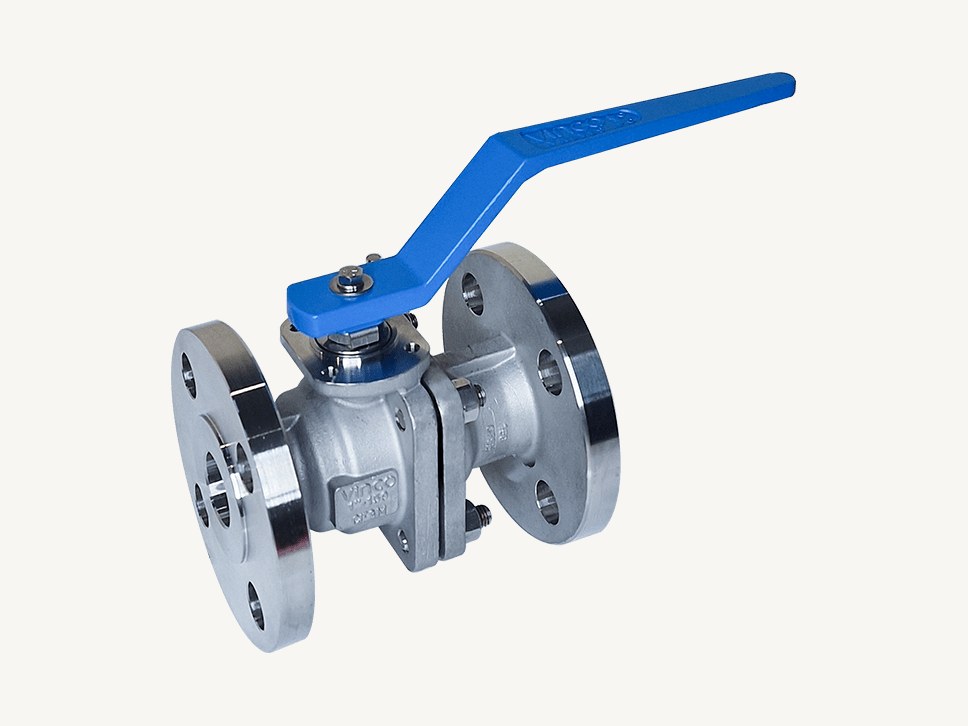
Vinco Valves is a European manufacturer specializing in industrial ball valves for the Oil & Gas and industrial sectors. Their portfolio includes Trunnion, Cryogenic, Metal-Seated, Hydrogen, Sanitary, and Multiport Ball Valves. They also provide Double Block & Bleed (DBB) valves and special application solutions. Vinco offers pneumatic actuators and valve automation accessories. Their products are designed for demanding applications involving high pressure, low temperatures, and critical services.
Range
- Trunnion, Cryogenic, Metal-Seated, Hydrogen, Sanitary and Multiport ball valves
- Double Block & Bleed (DBB) valves and special application solutions
- Pneumatic actuators and valve automation accessories
- Designed for high pressure, low temperatures and critical services